



Understanding Your Blood Sugar: A Dietitian’s Guide

Stop guessing why your blood sugar changes.

A practical 12-module mini-course for adults living with diabetes or prediabetes who want to understand their numbers and make more informed everyday choices.

  • Clear explanations in everyday language
  • Practical South African food examples
  • No strict food rules or overwhelming science
  • Learn at your own pace through your secure Client Portal

Secure payment via Paystack

Watch the overview
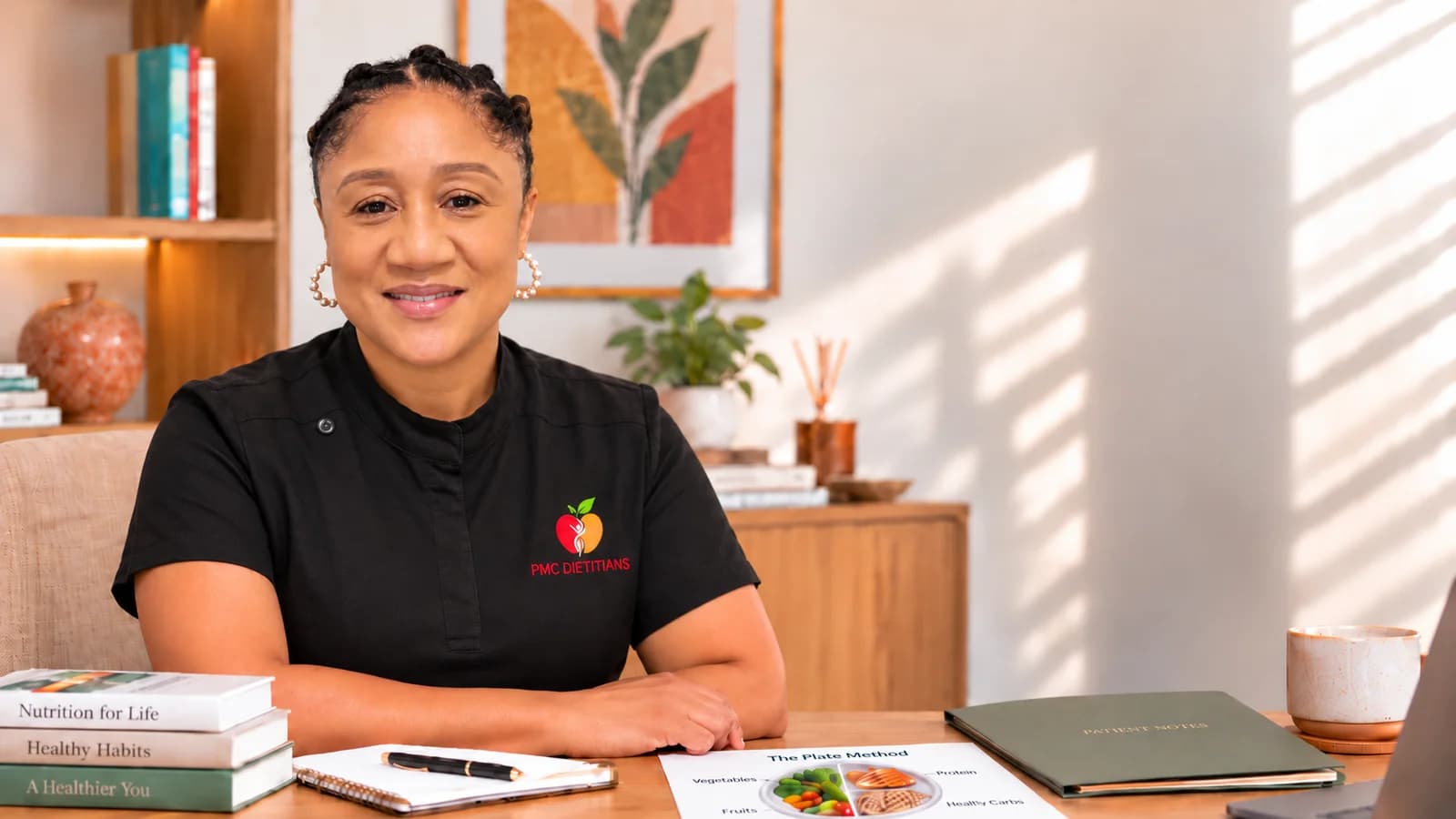
Phumelele Mthembu, Registered Dietitian at PMC Dietitians
12 modulesShort and practical
Self-pacedLearn when it suits you
Client PortalMobile-friendly client portal
Practical examplesIncluding South African foods

Prefer to watch?

Let me explain why this course was created.

In 1 minute 21 seconds, Phumelele Mthembu, Registered Dietitian and founder of PMC Dietitians, explains why blood sugar can feel confusing and what this mini-course is designed to help you understand.

Watch the overview, then continue reading at your own pace.

Watch the course overview · 1 min 21 sec

Open course overview video

“I thought I ate well. So why is my blood sugar high?”

You may have been told to avoid sugar, cut down on carbohydrates or exercise more — yet no one has really explained why your readings change or what those numbers are telling you.

Blood sugar can be influenced by more than one meal. Portion size, the type of carbohydrate, what you eat it with, physical activity, hydration, stress and sleep can all form part of the picture.

The goal is not perfection. The goal is to understand what may be influencing your readings and make more informed everyday choices.

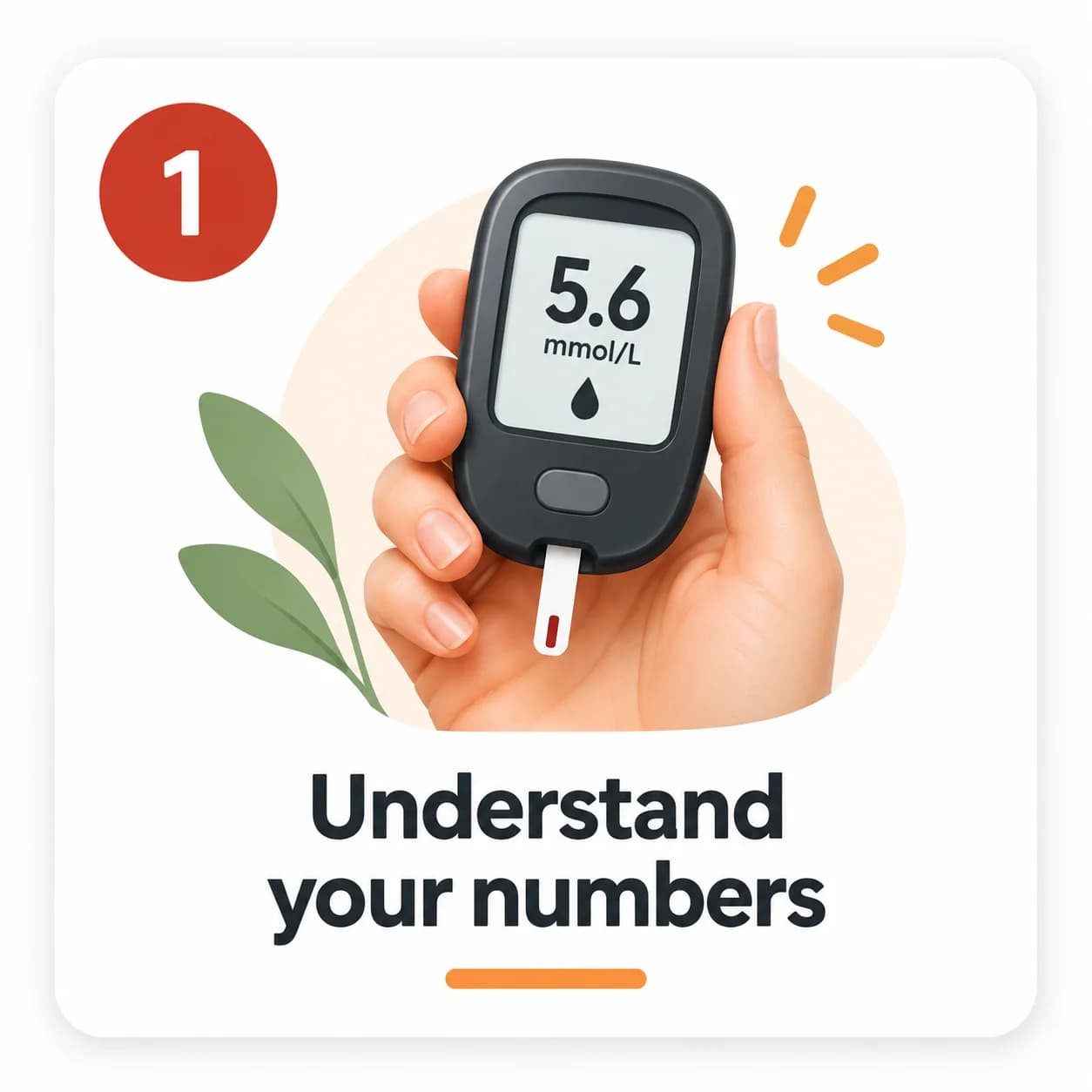
Understand your numbers

Move from “good or bad” thinking to understanding what your reading may be telling you.

Make food labels more useful

Learn how to compare foods, identify carbohydrate and sugar information, and make better-informed choices.

Look at the bigger picture

Understand how movement, hydration, stress and sleep may affect blood sugar even when meals stay the same.

Six practical things to take with you.

By the end of the course, you should be better equipped to put these principles into practice.

1. Understand your numbers
2. Identify foods that may raise blood sugar
3. Build a more balanced meal
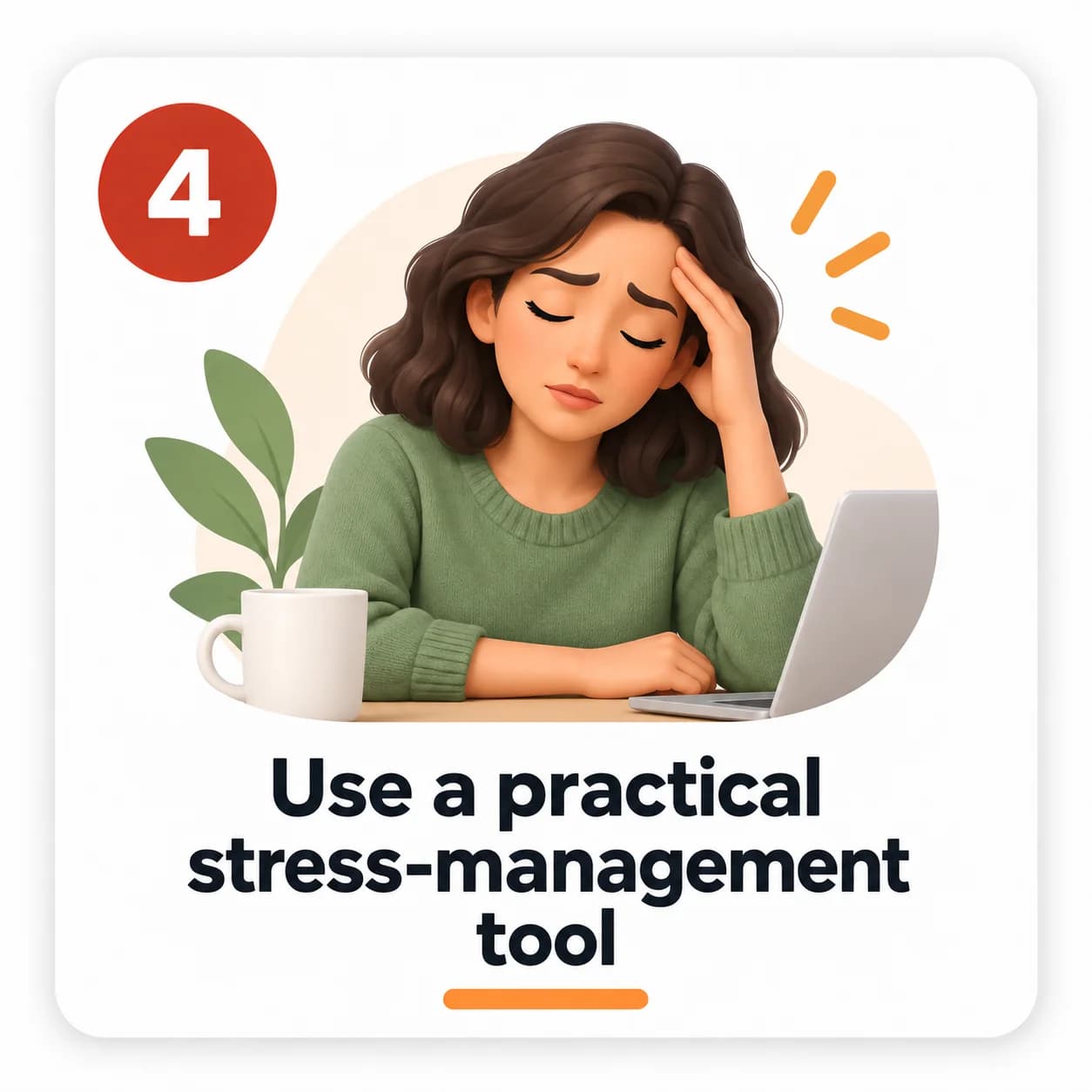
4. Use a practical stress-management tool
5. Develop a realistic movement routine
6. See the bigger picture

Your course, in three parts.

Part 01

Know Your Numbers

Start with the foundations so your readings become more meaningful.

  • What diabetes is and how it is diagnosed
  • What your blood sugar readings mean
  • Your blood sugar targets
  • Why keeping glucose within a healthy range matters
  • How prolonged high blood sugar may affect health
Part 02

Food & Blood Sugar

Understand food without turning every meal into a list of restrictions.

  • Which foods contain carbohydrates
  • Why some carbohydrates raise blood sugar faster
  • How processing, fibre, preparation and cooling starch matter
  • Why portions and food combinations matter
  • How to build balanced mixed meals
  • How to compare similar foods using labels
  • Why hydration also matters

Part 03

Lifestyle & Blood Sugar

See why blood sugar management goes beyond what is on your plate.

  • How working muscles use glucose
  • How walking after meals may help
  • Why maintaining muscle matters as we age
  • How stress hormones can influence blood sugar
  • Practical stress-management strategies
  • How sleep may affect insulin sensitivity, appetite and activity

Secure payment via Paystack

See how the course works inside your Client Portal.

The course combines short written lessons, video, diagrams and progress tracking so you can learn in manageable pieces from your phone or computer.

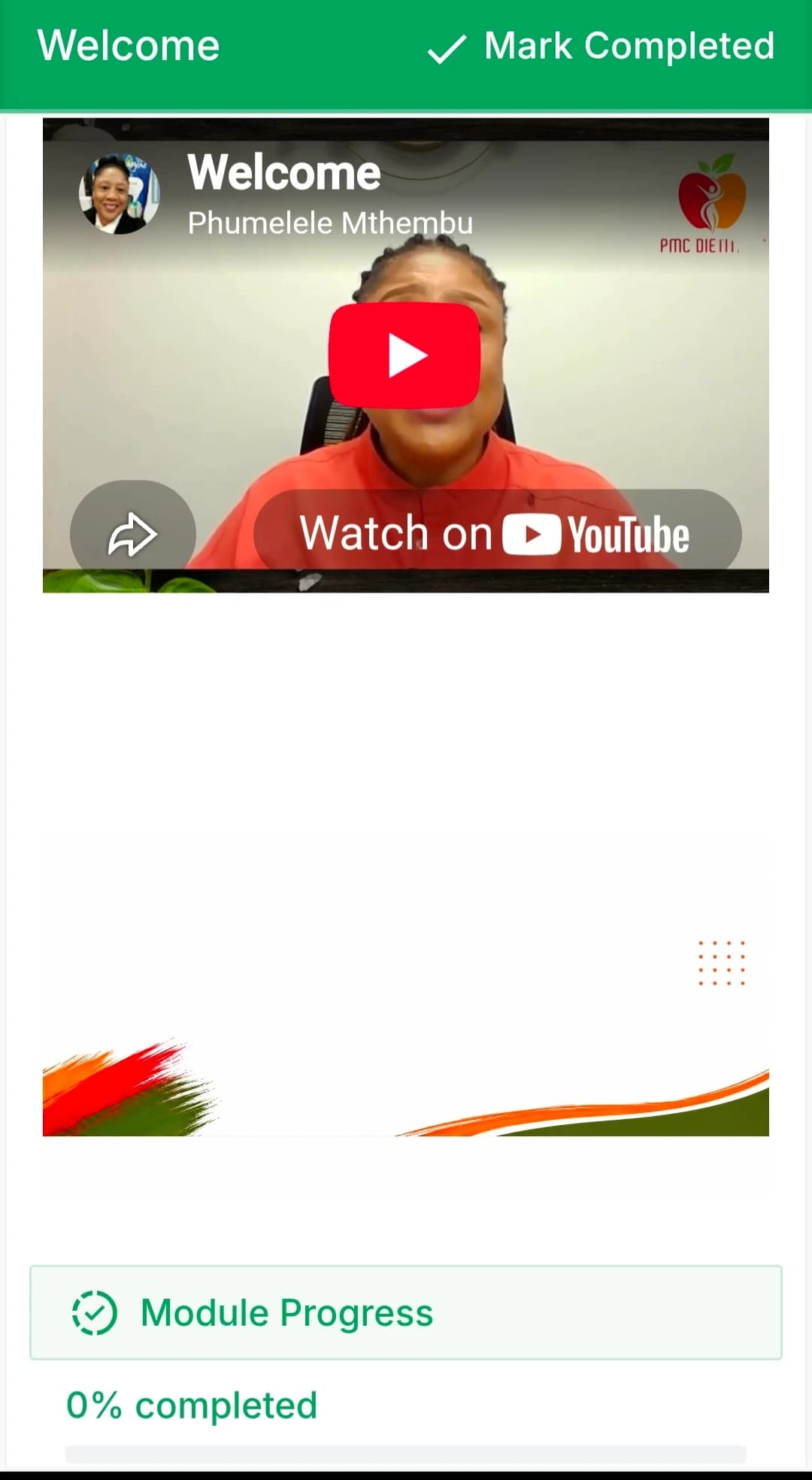
Welcome screen inside the Practice Better course

A welcoming start

Learners begin with a clear welcome screen and video before moving into the course.

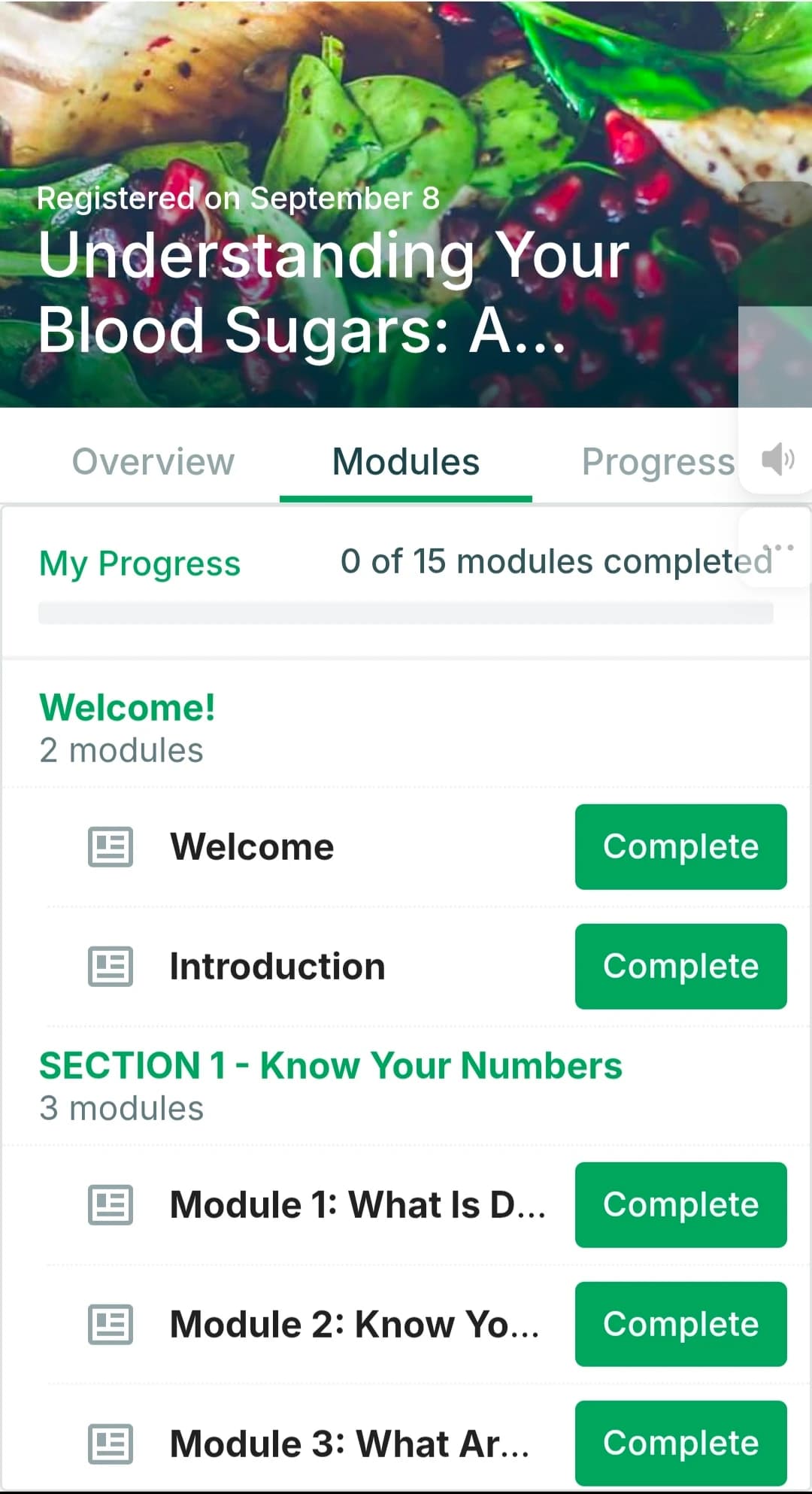
Course modules and progress view in Practice Better

A clear course journey

The course is organised into sections and modules, with progress visible throughout.

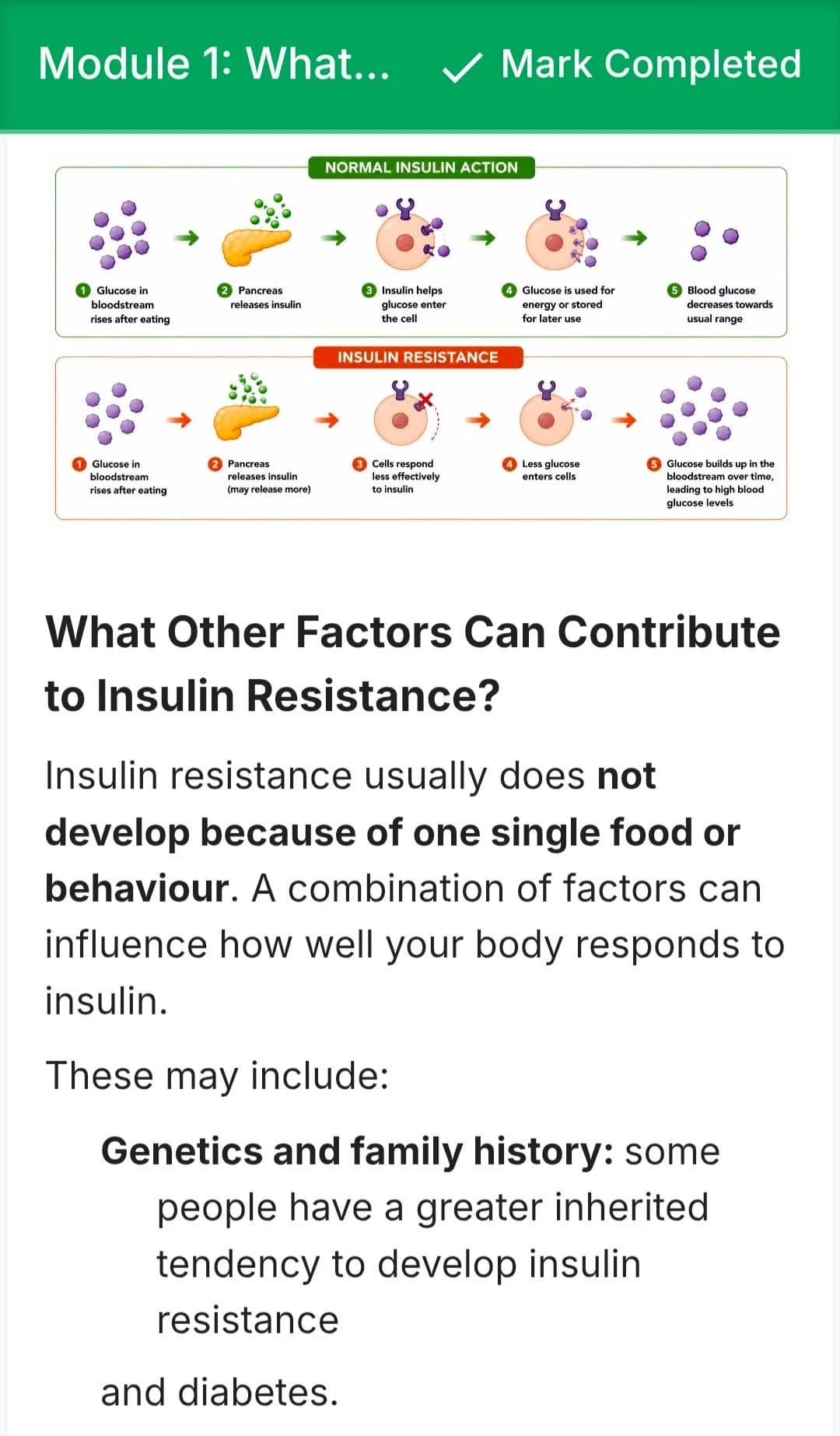
Course lesson showing an insulin action and insulin resistance diagram

Visual learning inside the modules

Written teaching is supported by simple diagrams and visual explanations inside the lessons.

No overwhelming science. No strict food rules. No one-size-fits-all diabetic diet.

The aim is not to tell you exactly what to eat every day. It is to teach you principles you can use to make more informed choices for yourself.

  • Understand the “why” behind common blood sugar advice.
  • Use familiar, practical food examples rather than unrealistic meal rules.
  • Look beyond food to movement, hydration, stress and sleep.
  • Learn in short modules that fit around everyday life.

Included in your course

12 structured modules
Written teaching
Video support
Diagrams & infographics
Practical examples
Self-paced access

Is this course for you?

  • You want to understand your blood sugar better.
  • You feel confused by conflicting nutrition advice.
  • You have been told your blood glucose is elevated.
  • You are living with diabetes or prediabetes and want a clearer understanding of nutrition.
  • You are unsure how carbohydrates affect blood sugar.
  • You sometimes do not understand why readings change even when you are trying to eat well.

You do not need advanced nutrition knowledge.

It is not a personalised meal plan.

There is no single menu that is appropriate for everyone. Your nutritional needs may differ according to your health, medication, activity level, food preferences, lifestyle and personal goals.

This mini-course teaches the principles behind blood sugar management so you can begin making more informed choices.

If you need individual assessment, personalised meal planning, closer monitoring or ongoing support, a dietetic consultation or more comprehensive programme may be more appropriate.

Phumelele Mthembu, Registered Dietitian and founder of PMC Dietitians

Created by PMC Dietitians

Nutrition education should help you understand your body — not leave you more afraid or confused about food.

Hi, I’m Phumelele Mthembu, a Registered Dietitian and founder of PMC Dietitians.

Understanding Your Blood Sugar: A Dietitian's Guide was created to give you practical nutrition education you can use in everyday life.

The course focuses on helping you understand what may be influencing your readings so that your next question becomes:

“What can I change to improve my next reading?”

Course investment

Understanding Your Blood Sugar: A Dietitian's Guide

A complete 12-module mini-course designed to help you better understand your numbers, your food choices and the lifestyle factors that can influence blood sugar.

R229

Once-off payment

Secure payment via Paystack

1. Enrol
Complete your once-off payment.
2. Access
Receive instructions to enter Client Portal.
3. Learn
Work through the course at your own pace.

Frequently asked questions

Is this course only for people already diagnosed with diabetes?

No. It is designed for adults living with diabetes or prediabetes, as well as people who have been told their blood glucose is elevated and want to understand it better.

Will I receive a personalised meal plan?

No. This is an educational mini-course, not an individual meal plan. It teaches practical principles you can apply when making food and lifestyle choices.

Do I need advanced nutrition knowledge?

No. The course is written in simple language and supported by practical examples, diagrams and infographics.

How do I access the course?

After payment, you will receive instructions on how to access the course through the Client Portal.

Do I need to complete it all at once?

No. The modules are short and you can work through them at a pace that suits you.

Does this replace medical or dietetic care?

No. It provides nutrition education and does not replace individual medical or dietetic assessment, diagnosis or treatment. Blood sugar targets, medication and nutrition requirements may need to be individualised.

Your next step

Enrol in the course

Enter your details to continue to secure payment. Course access will be arranged once your payment is confirmed.

Already have a Client Portal account? Use that email address.